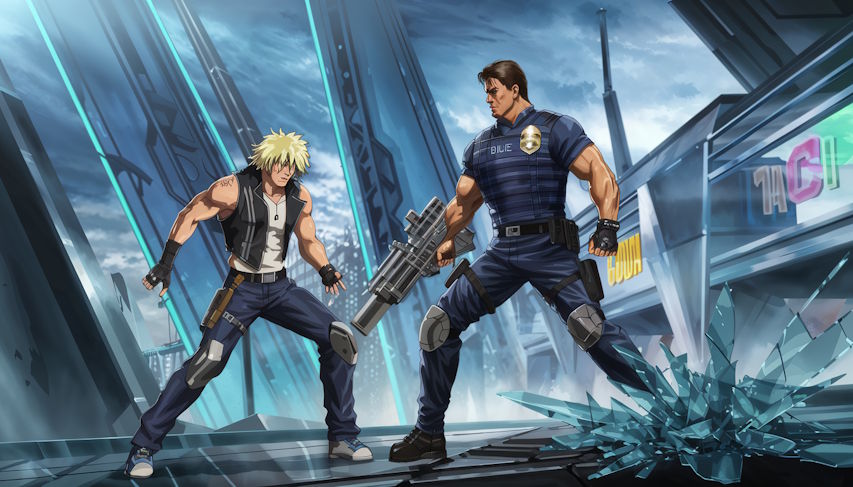
About my favorite movie:
A sci-fi action film directed by Marco Brambilla in his feature debut, Demolition Man stars Sylvester Stallone, Wesley Snipes, Sandra Bullock, and Nigel Hawthorne. (en.wikipedia.org)
Set initially in 1996, the plot thrusts the audience into chaos: Simon Phoenix (Snipes), a ruthless criminal, takes hostages in a building. LAPD Sergeant John Spartan (Stallone), known for collateral damage in his pursuit of justice, storms the place. Phoenix triggers explosives, killing hostages. Spartan is blamed, arrested, and—along with Phoenix—cryogenically frozen. (imdb.com)
Fast-forward to 2032: the cities of Los Angeles, San Diego, and Santa Barbara have merged into a planned utopia named San Angeles. Crime has been all but eradicated, governed by strict behavior controls and censorship. But Phoenix escapes confinement using a secret passphrase, bringing violence back into the picture. Spartan is thawed and enlisted to track him down. In his journey, Spartan teams up with Lenina Huxley (Bullock), discovers a rebellion (the “Scraps”) beneath society, and uncovers the truth behind Phoenix’s tailored rehabilitation and the authoritarian leadership of Dr. Raymond Cocteau (Hawthorne). (en.wikipedia.org)
Released in the U.S. on October 8, 1993, the movie runs about 115 minutes. It had a mixed critical reception for its combination of brutal action and satire but was commercially successful—grossing around $159 million worldwide on a budget of approximately $45 to $77 million. (en.wikipedia.org)
Its themes include authoritarianism, personalized freedom versus public safety, and the sanitized extremes of utopian visions. Over time, Demolition Man has been noted for its prescience—commentators and Stallone himself have praised how some of its futuristic societal ideas echo current debates. (en.wikipedia.org)
What do I like about the movie?
I love to watch people get fined for saying bad words. Sylvester Stallone was always old fashioned. He wanted a Marlboro cigarette.
Lenina Huxley explained to John Spartan what happened and new fashioned ways had begun. John asked Lenina, “Are you s*****ing me?” (buzz). “John Spartan, you are fined 1 credit for profane language.”
Zach Lamb, “Finally they grounded me.” John Spartan, “S***, you are good d*** lawyer.” (buzz). “John Spartan, you are fined 2 credits for profane language.”
Simon Phoenix wasn’t interested in gun history lesson. “Look, I don’t need history lesson. Come on, HAL! Where is G****mn gun?!” (buzz). “Simon Phoenix, you are fined 1 credit for profane word.” Simon, “What? Fyou!” (buzz) again he was fined another credit.
Audio
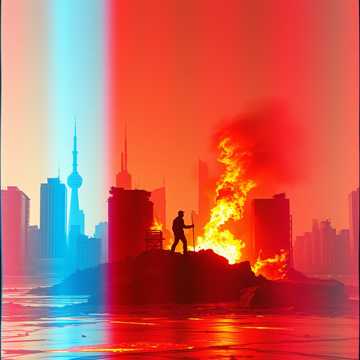
This music is made with Suno (www.suno.com), Mureka (www.mureka.ai) and AI Song Generator (www.aisonggenerator.io). All cartoon images and stories are made by DeepAI (www.deepai.org). All songs, images, videos, and stories cannot be copyrighted made with AI. Sometimes some images are also made with Vheer (www.vheer.com) and Canva (www.canva.com).
Lyric
(Verse 1)
Steel bones raised in a concrete storm
City’s heartbeat drowned by sirens torn
Neon shadows cross the broken ground
Where chains of fear refuse to make a sound

(Chorus)
Demolition Man, rising from the flame
Break the walls, erase the name
Demolition Man, in the sparks we’re born
Crash the gates, reborn at dawn

(Verse 2)
Ash and echoes mark the foe’s domain
In the rubble we carve our own terrain
Fist of truth in hand, we stand unchained
Our rage a torch, our will untamed

(Bridge)
Bridges scorched, foundations quake
In molten truths we will awake
From the wreckage, we stake our claim
Crumbling lies, setting flame

(Chorus)
Demolition Man, rising from the flame
Break the walls, erase the name
Demolition Man, again we rise
Cast away the phantom lies

(Outro)
In the dust, see the silhouette
Of a soul no system can forget
Demolition Man — born to defy
Rebuild the world where dreams won’t die
Story
(This is not real movie story. I create my own movie story with DeepAI.)
“Demolition Man: A Story of Steel and Sacrifice”
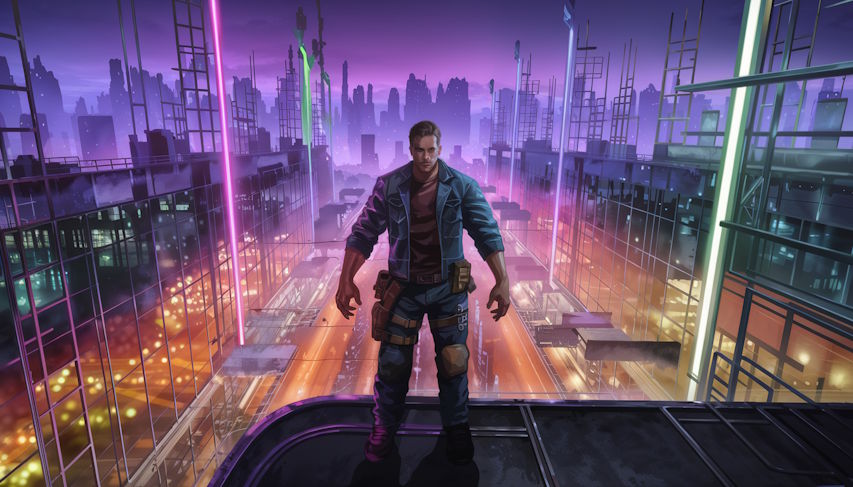
Back in the city of Iridessa, where neon lights danced like fireflies and steel towers scraped the purple haze of evening, lived a man called Cassian Marrow. Every dawn, he stood on the edge of one of the tallest buildings, surveying the streets below. Cassian wasn’t your ordinary urbanite—he was the city’s demolition man.
Chapter One – Ashes of the Past
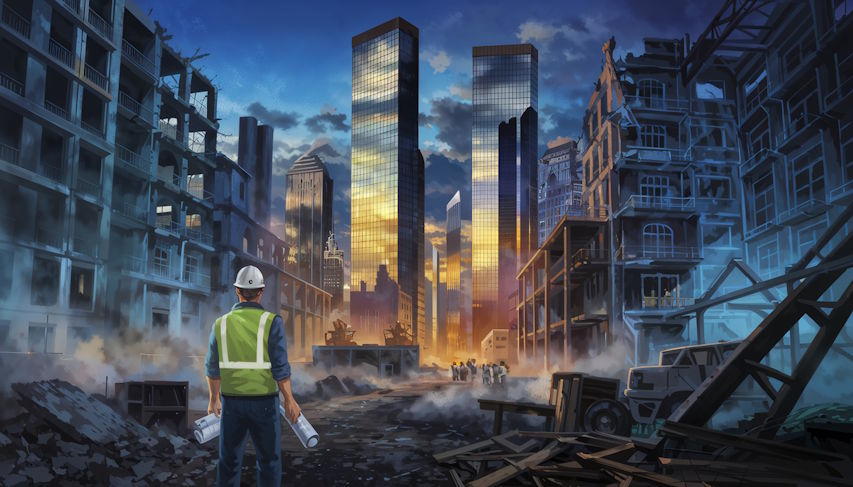
Iridessa thrived on progress, and with progress came destruction. Old structures—crumbling apartments, rusted factories, haunted warehouses—were torn down piece by piece, making way for gleaming new skyscrapers. Cassian held the authority and responsibility to bring the old down. It was in him to decide which things must fall, and which must stand.
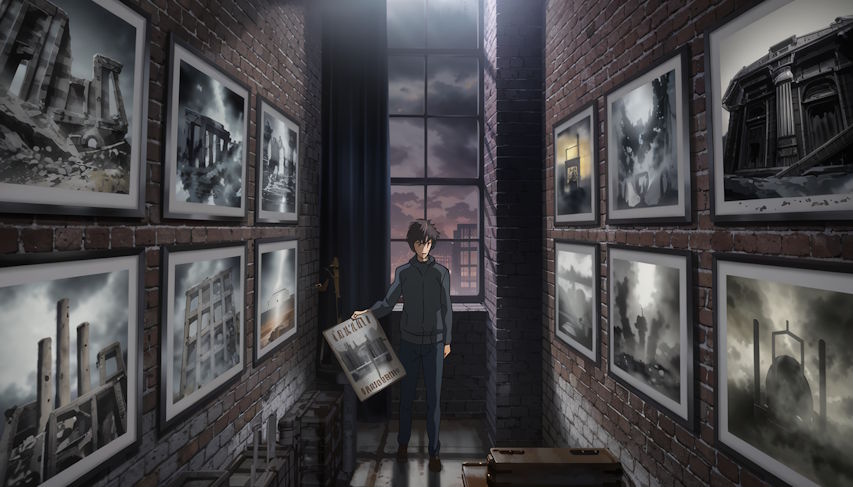
He lived alone in a small loft, his walls adorned with photos: ruins in collapse, machinery through dust, buildings swallowed by sky. Every picture told a story, every story had roots. But Cassian’s own past has roots deep in one particular site: the Marrow Foundry.
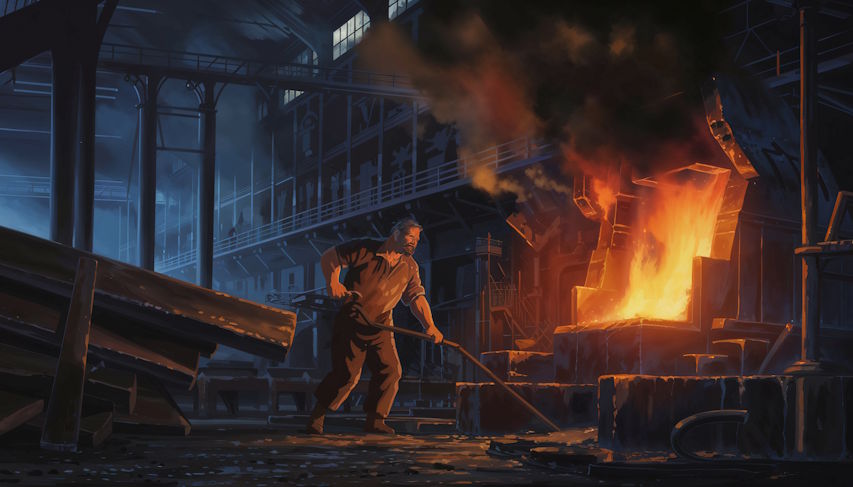
Years ago, his father, Elias Marrow, operated Iridessa’s oldest foundry—the furnace heart of the city. It shaped iron beams that held up bridges, crafted gates that guarded estates, built the skeleton of skyscrapers. But one midnight, tragedy struck: an accidental blaze tore through the foundry, killing Elias and leaving Cassian alone with regret.
Chapter Two – Whispering Steel
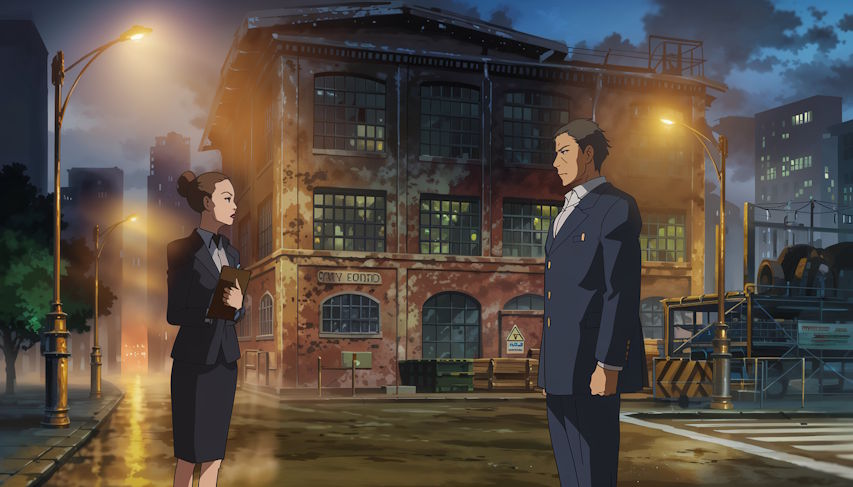
On a humid evening, the city manager approached Cassian. “There’s a building at the foundry site,” she said. “It still stands. We want it gone by next month. New development is waiting.”
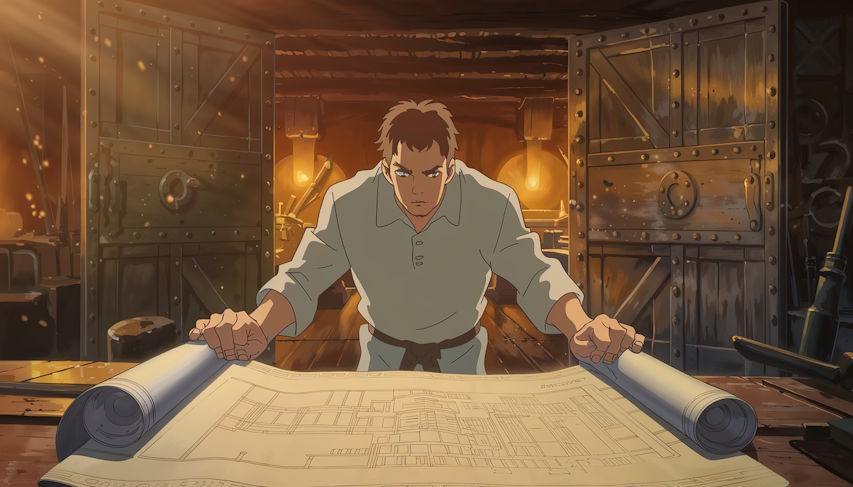
Cassian stared at the blueprint of the Foundry Hall. God, how he hated that place and loved it at the same time. It was a time capsule of his childhood. The doors his father built were still there. Forges. Hammer marks on iron like tattoos of effort. He couldn’t just let them vanish.
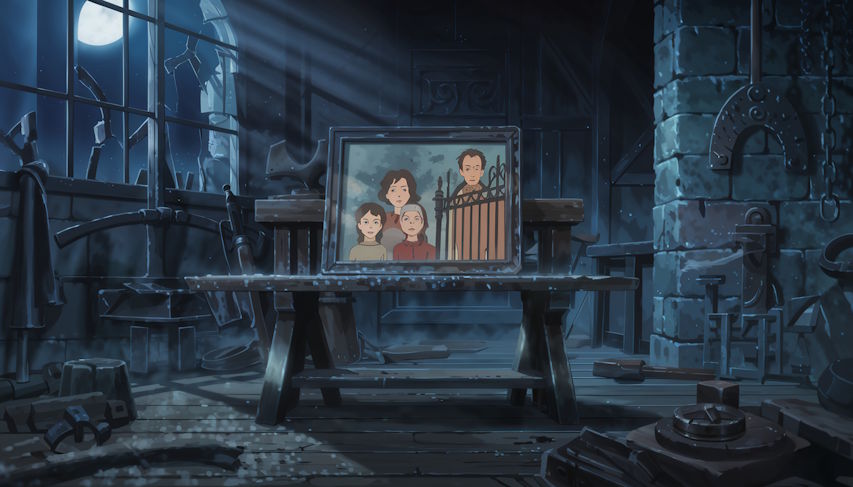
That night, he visited the hall. Shadows flickered as moonlight seeped through broken panes. In corners, tools hung, frozen in time: bellows, anvils, chains. He saw on a workbench a corrupted picture frame: a family portrait of Elias, Cassian’s mother, and himself, smiling by a freshly cast gate. A sob lodged in his throat.
Chapter Three – The Decision
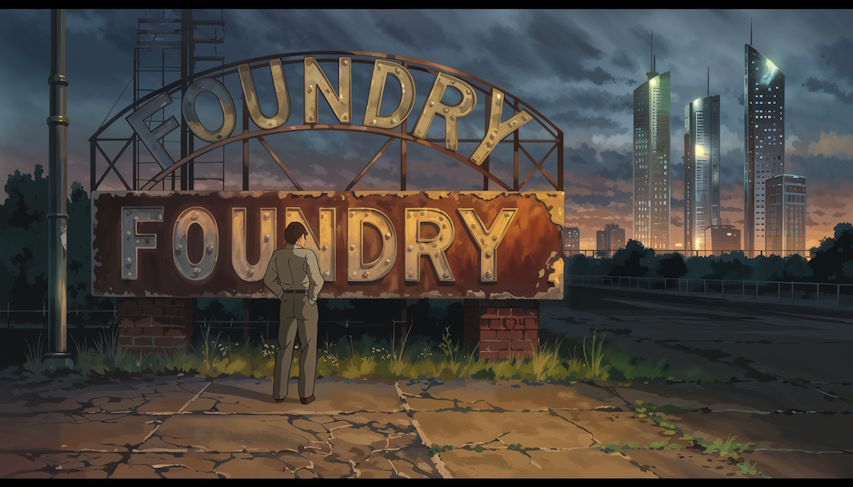
Cassian retreated into isolation. He wrestled with duty versus memory. Iridessa needed growth. New towers would mean homes, jobs. But this—this old foundry signified who he was.
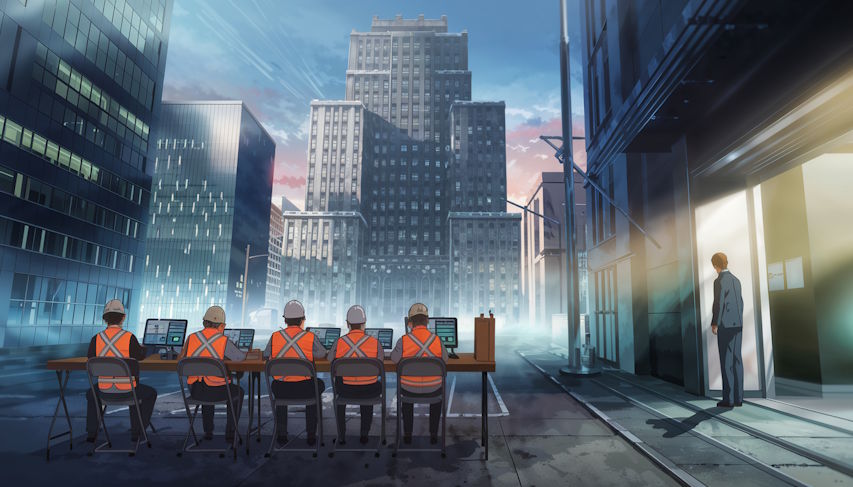
The city waited with timers, crew, contracts. If he delayed, they’d schedule the demolition operator anyways. He’d lose not just a building, but his father’s legacy.
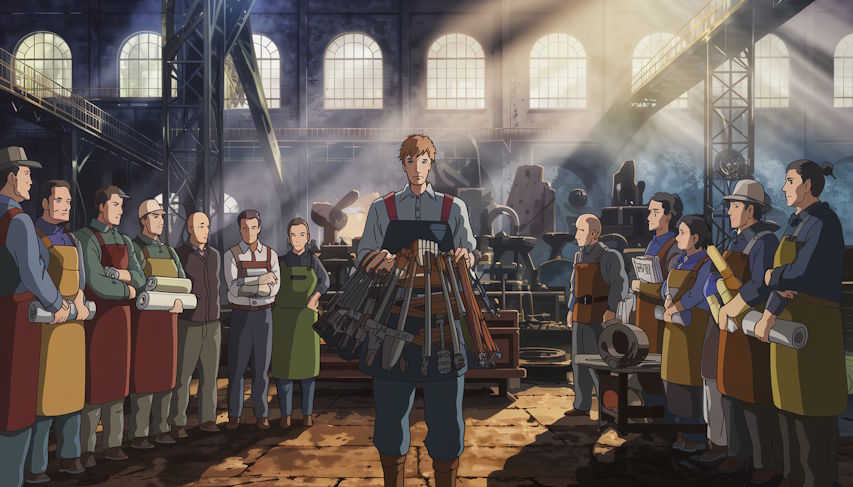
One early morning, Cassian gathered his tools—not dynamite, but memories. He called for preservation. He collected artisans, historians, architects. They spoke of heritage, of the story the foundry tells. Of iron turned into frames and thresholds, of blood and sweat. These voices echoed through council chambers.
Chapter Four – Flames Rebuilt
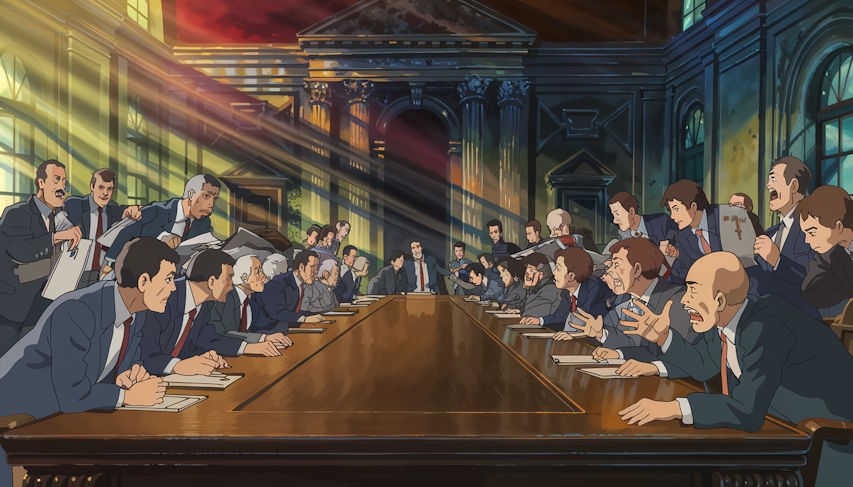
Council was in session. Negotiations bruised the air. Investors pushed, “Tear it down, make room to expand.” Historians countered, “Let it stand. Let memory live.”
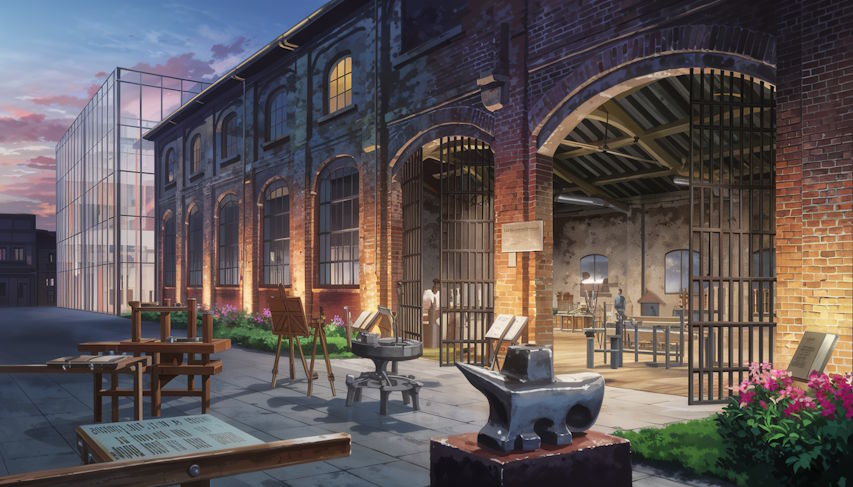
In the end, a compromise: Foundry Hall would remain—but transformed. One wing redeveloped; the heart preserved as a public heritage center. The forge would become studio space for artists and blacksmiths. The gates would be restored. The hammer marks preserved.
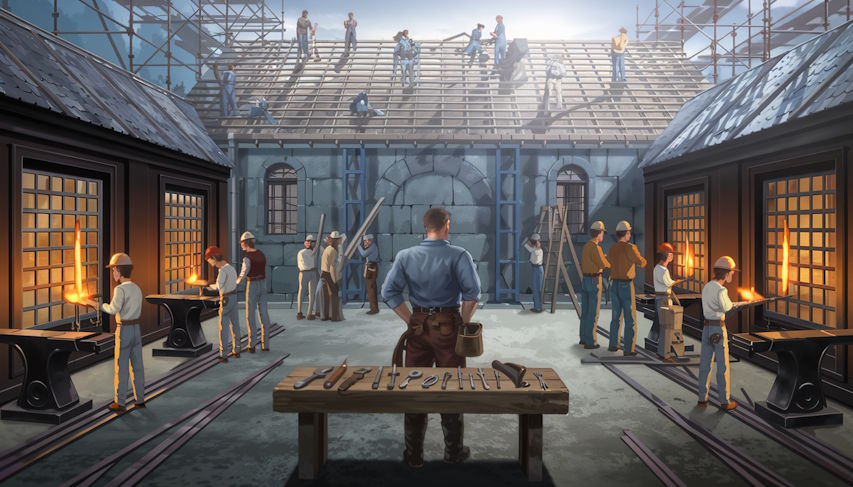
Cassian watched as steel beams were strengthened, roof patched, glass reinstalled. Builders, historians, and craftsmen worked under his vigilant eye. His father’s tools were cleaned, polished. New forges lit at dawn. Young apprentices hammered iron beside him—small strikes, yet certain.
Chapter Five – Echoes Becoming Melody
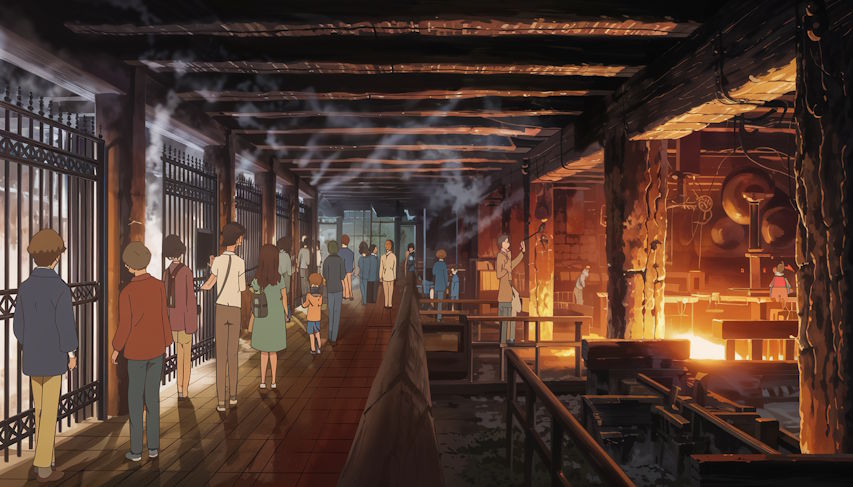
Opening day came. Visitors walked through the preserved wing. They touched gates his father cast. Felt the warmth from a forge. Listened to stories whispered by old beams. Everywhere—smoke, smell, and metal, and laughter.
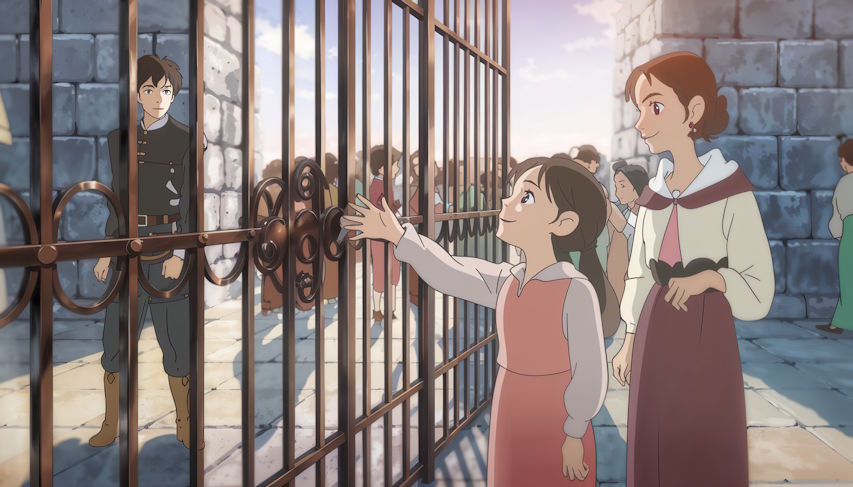
Cassian stood near the main gate. Among the crowd, a girl—his daughterly age—lifted her hand toward the iron handle, polished and cool. She smiled, nodding to her mother, “This should be saved.”
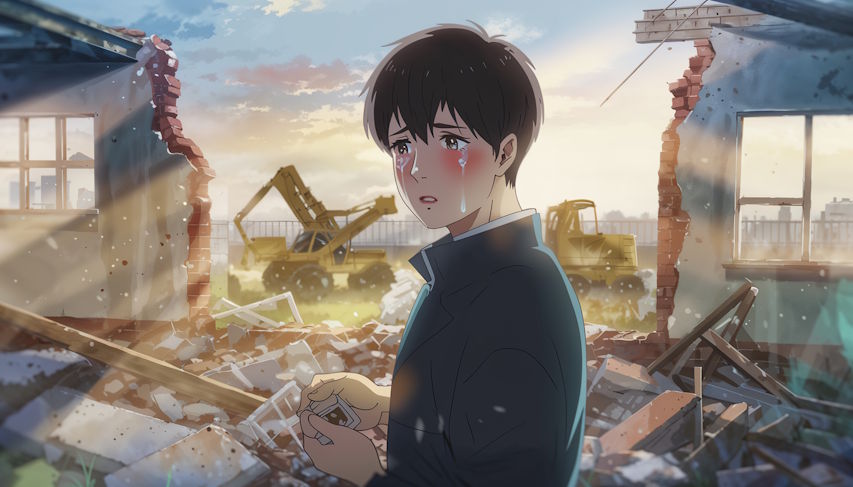
Tears welled in Cassian’s eyes: his father’s legacy still alive. Not lost to ash, but reborn. He realized demolition wasn’t only about destruction—it was about choice. What to erase, what to remember. What to let go, and what to rebuild.
Epilogue
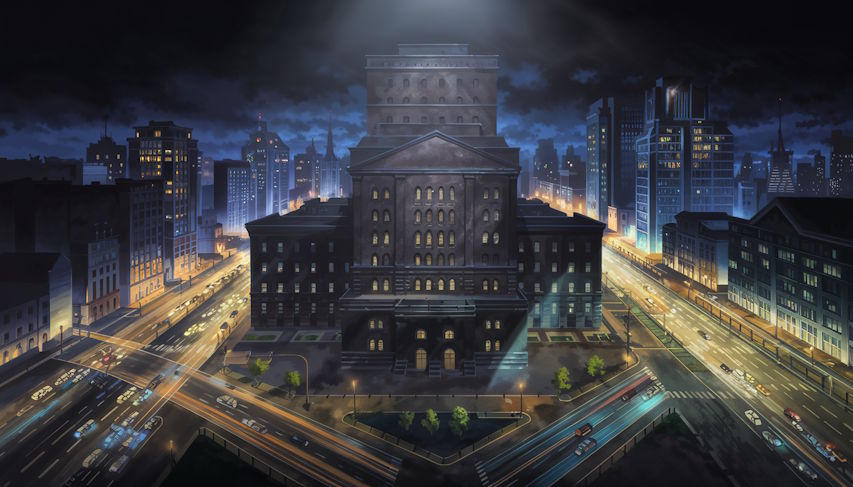
Iridessa grew around the foundry. Skyscrapers lit up nights, roads pulsed with engines. But at the city’s heart stood Foundry Hall—hallowed, reverent, beating. A monument to where Iridessa came from. And where Cassian came from.
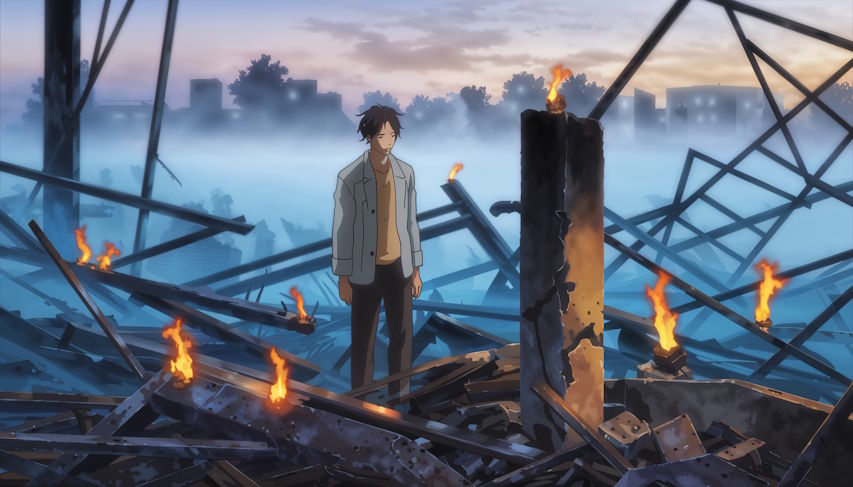
In the still light, among flame, metal, and story, Cassian Marrow realized that to demolish isn’t always destruction—it’s decision. And sometimes, the greatest growth comes not from what we tear down, but from what we choose to preserve.
 Jay Doiron's Blog
Leave a comment